
Understanding the Importance of Play Kitchens
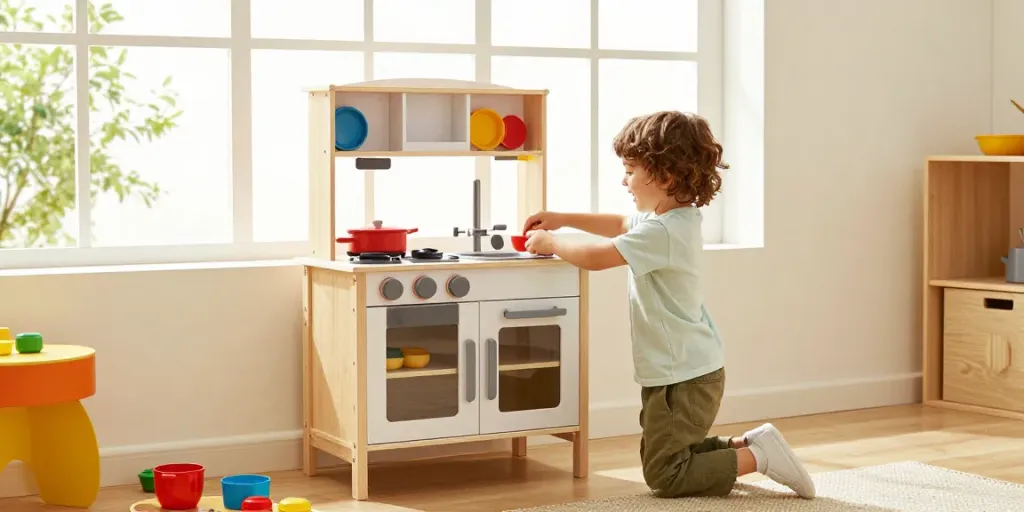
Play kitchens are more than just toys; they are powerful educational tools that foster creativity, social skills, and cognitive development in children. As kids engage in pretend play, they immerse themselves in a world of imagination, recreating everyday scenarios and exploring different roles. This form of play not only enhances their creativity but also helps develop critical thinking and problem-solving abilities. When exploring options, play kitchen sets are an excellent choice for encouraging this type of interactive learning.
Benefits of Pretend Play and Child Development
Pretend play is crucial in early childhood development. It allows children to express their thoughts and feelings while providing a safe environment to experiment with various roles and scenarios. Through play kitchens, children can mimic the actions of adults, from cooking to serving food, which boosts their confidence and social skills. As they play, children learn to negotiate, share, and cooperate with their peers, essential skills for later life.
Moreover, engaging in pretend play has been shown to improve language acquisition, as children expand their vocabulary and learn to articulate their ideas more effectively. Studies suggest that children involved in imaginative play tend to demonstrate enhanced verbal skills compared to their peers who don't engage in similar activities.
How Play Kitchens Enhance Creativity and Imagination
One of the key aspects of play kitchens is their ability to stimulate creativity. These toys provide a blank canvas for children to express themselves, whether they're preparing a feast for family members or running a restaurant. The open-ended nature of play makes it possible for children to create unique scenarios and stories, enabling them to explore their imaginative capacities fully.
Additionally, play kitchens often come with various accessories and features, such as play food, utensils, and interactive elements like lights and sounds, further enriching the imaginative experience. This diversity in play options encourages children to think outside the box and enhances their problem-solving skills.
Age Appropriateness for Play Kitchen Sets
When selecting a play kitchen, it is essential to consider the age of the child. Typically, play kitchens are designed for children aged 2 to 8 years. For toddlers, it's advisable to choose simpler models that feature larger components and fewer intricate parts to avoid choking hazards. As children grow, they can handle more complex setups with additional accessories, catering to their evolved play needs.
Moreover, while most play kitchens target the preschool age group, there are options available that can engage older children as well, particularly those that integrate more sophisticated cooking concepts or themed setups that reflect their interests.
Choosing the Right Play Kitchen for Your Child
Choosing the right play kitchen can be a daunting task, given the variety of styles, materials, and features available. To ensure you invest wisely, it is essential to understand what to look for when selecting the perfect kitchen set for your child.
Key Features to Look for in a Play Kitchen
When evaluating play kitchens, consider key features that will enhance playtime. Look for sets that include:
- Multiple interactive elements such as ovens, stovetops, and microwaves.
- Realistic accessories like pots, pans, and utensils.
- Storage options for easy cleanup and organisation.
- Adjustable components that can grow with your child.
- Varied colour schemes or themes to match your home décor or your child's preferences.
Materials and Safety Considerations
Safety should be a priority when selecting a play kitchen. Assess the materials used in the construction of the kitchen set. Wooden kitchens are generally durable and aesthetically pleasing, while plastic kitchens offer lightweight and affordable options. Regardless of the material, ensure that the kitchen complies with safety standards and is free from harmful chemicals.
Check for small parts that could pose choking hazards and ensure that any paint or finishes are non-toxic. Furthermore, consider the kitchen's stability and sturdiness to prevent tipping or collapsing during play.
Space Requirements and Kitchen Size Options
Before purchasing a play kitchen, measure the space where it will be placed. Play kitchens come in various sizes, from compact models suitable for small rooms to larger, more elaborate setups that can fill a playroom. Ensure that the kitchen set fits comfortably in your chosen area, allowing sufficient space for your child to play safely.
Popular Types of Play Kitchens
When it comes to play kitchens, there are several options to consider, each offering unique features and benefits to suit different preferences and play styles.
Wooden Play Kitchens: Pros and Cons
Wooden play kitchens are popular for their durability and timeless appeal. They often feature intricate designs and a sturdy construction that can withstand rigorous play. Additionally, wooden kitchens tend to have a more aesthetically pleasing look, fitting well into various home environments.
However, they can be heavier and more expensive than their plastic counterparts. Additionally, some wooden kitchens may lack the vibrant colours and interactive features that plastic kitchens often provide.
Plastic Play Kitchens: Durability and Design
Plastic play kitchens are lightweight and easy to move, making them ideal for small spaces or families that may want to relocate their playsets. They are generally more affordable and come in a wider array of colours and designs, often featuring interactive elements like sounds and lights that enhance the play experience.
On the downside, plastic kitchens may not be as durable as wooden ones and can be subject to wear and tear over time. However, they often provide a more engaging experience for younger children who are drawn to vibrant colours and imaginative sounds.
Custom DIY Play Kitchen Ideas for Creative Parents
For the hands-on parent, creating a custom DIY play kitchen can be a fun and rewarding project. Using materials like cardboard, wood, or even repurposed furniture, the possibilities are endless. Custom kitchens can be tailored to fit specific themes, colours, or personal aesthetics, making them unique to your child's preferences.
Moreover, involving children in the design and construction process can be an excellent opportunity for them to learn about measurements, tools, and creative problem-solving. There are myriad online tutorials and inspiration boards to guide you through the DIY process, ensuring that your creation is both functional and engaging.
Engaging Accessories and Add-ons for Play Kitchens
To enhance the play kitchen experience, a variety of accessories and add-ons can be incorporated, sparking further imagination and creativity during playtime.
Essential Kitchen Accessories to Enhance Play
Consider adding essential accessories that can enrich your child’s cooking adventures. Popular options include:
- Cooking utensils (spatulas, ladles, etc.)
- Play food (fruits, vegetables, meats, etc.)
- Dishware (plates, cups, cutlery)
- Aprons and chef hats for dress-up play.
Food Items that Spark Imaginative Cooking
Play food adds an extra layer of realism to the kitchen experience. Investing in a variety of food items can encourage children to plan meals, create menus, and role-play as chefs or restaurant owners. Options range from wooden food sets to plush food items, allowing children to engage in imaginative cooking without any mess.
Storage Solutions for Organising Play Kitchen Items
Keeping play kitchens tidy is crucial for maintaining a functional play area. Consider using storage bins, baskets, or shelves that can easily organise play food and utensils. This not only promotes cleanliness but also encourages children to take responsibility for their play area, instilling habits that can carry on into adulthood.
Future Trends in Play Kitchens and Pretend Play
The world of play kitchens is continually evolving, influenced by technological advancements and changing consumer preferences. Here are some trends to watch in the coming years.
Eco-Friendly Materials and Sustainable Options
As sustainability becomes more prominent in consumer choices, many manufacturers are turning to eco-friendly materials for their play kitchens. From sustainably sourced wood to non-toxic finishes, parents are increasingly looking for products that are safe for their children and the environment. This trend is likely to continue growing, with more brands focusing on green practices.
Technological Integration in Play Kitchens
With the rise of smart toys, some play kitchens now incorporate technology to enhance interactive play. Features like touch-sensitive surfaces, app connectivity, and even augmented reality experiences can provide an engaging experience that blends traditional play with modern technology. As these innovations become more prevalent, they will likely attract tech-savvy families looking for unique play experiences.
Emerging Brands and Styles for 2026
As the market for play kitchens continues to expand, new brands and styles are emerging. Customisable kitchens that allow children to change colors, layouts, and themes are becoming more popular. Additionally, thematic kitchens inspired by popular media franchises are capturing the imagination of children and parents alike, creating a more relatable and engaging play experience.
What age should a kid get a play kitchen?
Typically, children aged 2 to 8 years are best suited for play kitchen sets. However, age appropriateness can vary based on the complexity of the kitchen and the child's developmental stage.
How much does a play kitchen cost?
The price of play kitchens can range significantly, from affordable plastic sets starting around £50 to high-end wooden models costing upwards of £300 or more, depending on the brand and features.
Is it worth getting a play kitchen?
Absolutely! A play kitchen is a valuable investment in your child's development, fostering creativity, social skills, and cognitive abilities while providing hours of imaginative play.
Which play kitchen is the best?
The best play kitchen varies depending on your child's preferences, space, and budget. Consider factors like durability, design, and features to find the ideal option that meets your needs.
What accessories enhance a play kitchen experience?
Essential accessories like play food, utensils, and storage solutions can significantly enhance the play kitchen experience, creating a more engaging and realistic environment for children.